


Have you noticed dark, worn paths leading from your front door that make your entire home look older than it really is? These unsightly traffic lanes are signs of traffic pattern carpet damage… and without proper high-traffic carpet protection, they’ll only get worse.
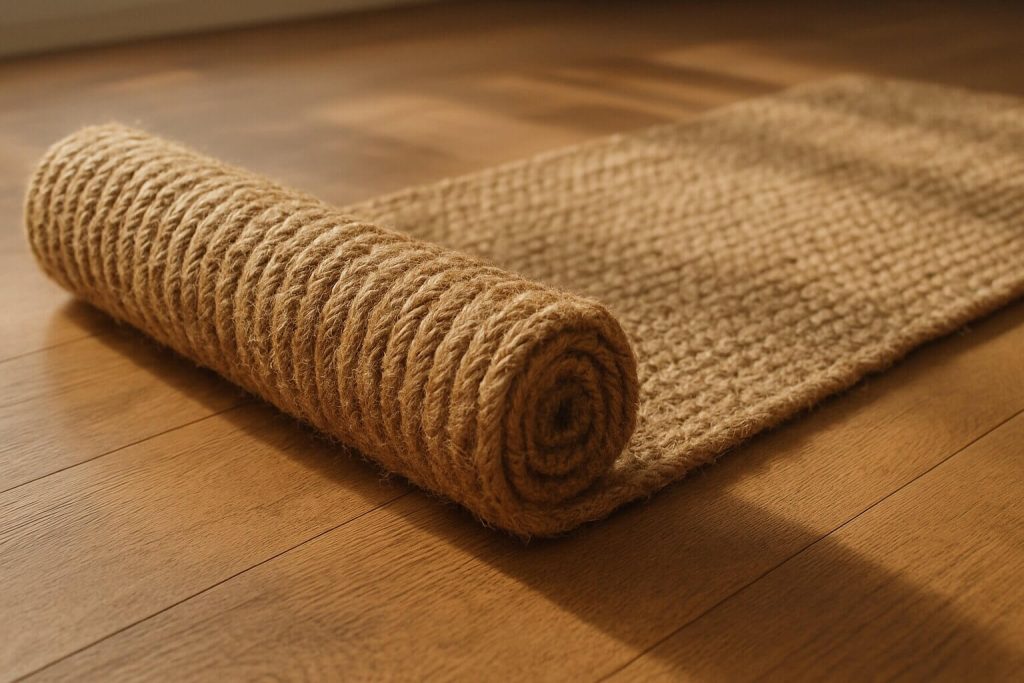
Why Entryway Carpet Care and Hallway Carpet Cleaning Require Special Attention
This comprehensive guide delivers practical, eco-friendly strategies for entryway carpet care and hallway carpet cleaning that actually work. You’ll discover proven prevention systems, effective carpet wear prevention techniques, product recommendations, troubleshooting tips, and a clear preventative maintenance plan so you can protect your investment and keep your carpets looking great for years.
Whether you’re dealing with existing wear patterns, matting, crushing, or soil buildup…
…or you want to prevent these problems before they start…
…this guide covers everything you need to know about high-traffic area carpet maintenance.
What you’ll learn:
- Why entryways and hallways suffer accelerated carpet damage
- The 3-mat system for preventing soil buildup
- Carpet runners and protective treatments that extend carpet life
- Frequent vacuuming schedules and proper technique
- Eco-friendly cleaning products and DIY solutions
- When to call professionals and what to expect
- Troubleshooting common traffic pattern carpet damage
- Seasonal and pet-specific strategies
Why High-Traffic Area Carpets Need Special Carpet Wear Prevention
Understanding Traffic Pattern Carpet Damage
Are you wondering why those traffic lanes look worse even when you vacuum regularly? The answer lies in understanding how foot traffic creates cumulative damage through two distinct mechanisms: abrasion and compression.
Repeated foot traffic compresses and crushes carpet pile, while grit carried in on shoes acts like sandpaper by abrading fibers at the surface and grinding them down near the backing. This combination of crushing and abrasion is what creates visible wear patterns in your busiest areas.
Effective carpet wear prevention requires addressing both problems: stopping dirt at the door and maintaining fiber resilience through proper care.
Where Carpet Damage Concentrates: Entryways and Hallways
Do you know which areas of your home suffer the most traffic pattern carpet damage? Understanding damage concentration is essential for targeted entryway carpet protection and hallway carpet cleaning strategies.
Critical damage zones:
| Zone | Why It’s Vulnerable | Distance from Door |
|---|---|---|
| Main entryway | Highest soil load, moisture exposure | 0–10 feet |
| Primary hallway | Concentrated traffic, narrow lanes | Full length |
| Stair landings | Pivot points, repeated stress | N/A |
| Doorway thresholds | Transition wear, pivoting feet | 0–3 feet |
The first 6–10 feet from exterior doors is the critical zone where most grit and moisture land. Hallways focus foot traffic into narrow lanes that show clear traffic lanes and wear patterns within months of installation.
Because these zones see the largest share of daily use, they can fail 3–5 times faster than low-traffic rooms. That’s why targeted high-traffic carpet protection in these specific areas saves more time and money than trying to clean your whole house more aggressively.
Entryways face constant moisture from mud, snow, and rain, which can create the perfect conditions for mold if not properly managed, according to indoor moisture guidance from the United States Environmental Protection Agency.
See our guide to Prevent Carpet Mold Growth for moisture control strategies.
How Dirt and Moisture Accelerate Matting and Soil Buildup
Ever wondered how a few muddy footprints from weeks ago still leave obvious marks today? Understanding the relationship between soil buildup and fiber damage is crucial for effective heavy traffic carpet care.
The damage cycle:
- Soil entry: Shoes carry in silica, sand, clay, and organic matter
- Particle embedding: Grit works down into the pile with each footstep
- Abrasive action: Embedded particles grind against fibers during use
- Fiber breakdown: Damaged fibers lose resilience and color
- Matting formation: Weakened fibers collapse, creating permanent crushing
Moisture compounds every stage of this problem. Wet fibers are softer and more vulnerable to damage, while dampness encourages staining, mold growth, and accelerated soil buildup.
The good news? If you prevent soil entry and manage moisture promptly through proper entryway carpet care, you’ll maintain fiber resilience and significantly delay pile collapse, matting, and color loss.
Entryway Carpet Protection: The 3-Mat Prevention System
Have you placed a durable scraper mat just outside your door yet? The exterior scraper mat is your first line of high-traffic carpet protection: it scrapes grit and sheds heavy debris before anyone steps across the threshold.
Exterior mat specifications:
| Feature | Recommendation |
|---|---|
| Size | Minimum 3′ × 4′ (larger is better) |
| Material | Coir (coconut fiber) or heavy-duty rubber |
| Placement | Directly outside door, secured against movement |
| Maintenance | Shake out daily; hose wash weekly |
| Replacement | Every 1–2 years or when fibers flatten |
Pro tip: Choose a mat at least as wide as your door frame so visitors can’t step around it. A worn or saturated scraper mat pushes dirt onto your carpet instead of stopping it.
Mat 2 — Interior Absorbent Mat (Moisture and Fine Particle Capture)
Do you have a soft, absorbent mat on the inside of your threshold? The second mat in your entryway carpet care system captures remaining moisture and fine particles, keeping the critical entry zone dry and preventing early stain migration.
Interior absorbent mat specifications:
| Feature | Recommendation |
|---|---|
| Size | 4′ × 6′ minimum; larger for high-traffic entries |
| Material | Microfiber or washable cotton loop |
| Placement | Immediately inside door, flush with threshold |
| Maintenance | Machine wash weekly; dry thoroughly |
| Replacement | Every 6–12 months depending on traffic |
This mat handles what the scraper mat misses: fine dust, moisture from wet shoes, and small particles that cause long-term soil buildup. Without it, these contaminants transfer directly to your permanent carpet.
Mat 3 — Transition Runner (Extended Hallway Carpet Protection)
Are you protecting the pathway beyond your threshold with a runner? The transition runner extends your protecting carpets in hallways strategy deeper into the home, catching anything that slips past the first two mats and shielding the natural traffic lanes from direct wear.
Transition runner specifications:
| Feature | Recommendation |
|---|---|
| Width | 3′ minimum (covers natural walking path) |
| Length | 10–15′ for maximum protection |
| Material | Low-pile recycled PET, wool, or jute |
| Placement | Leave 6–8″ border on each side |
| Maintenance | Vacuum daily; rotate monthly |
| Replacement | Every 1–3 years based on wear |
The transition runner serves as a sacrificial layer as it absorbs the crushing, matting, and wear patterns that would otherwise damage your permanent carpet. When the runner shows distress, replace it; your underlying carpet stays protected.
3-Mat System Quick Reference
| Mat Type | Primary Function | Best Materials | Maintenance | Lifespan |
|---|---|---|---|---|
| Exterior scraper | Removes large debris, mud | Coir, heavy rubber | Shake daily; hose weekly | 1–2 years |
| Interior absorbent | Captures moisture, fine particles | Microfiber, cotton loop | Wash weekly | 6–12 months |
| Transition runner | Extends protection, shields traffic lanes | Recycled PET, wool, jute | Vacuum daily; rotate monthly | 1–3 years |
Maintaining Your Mat System for Continuous Carpet Wear Prevention
Do you clean your mats as often as your carpets need protection? A mat system is only as effective as your maintenance routine. Neglected mats become part of the problem, holding dirt against your carpet and defeating the purpose of preventative maintenance.
Weekly mat maintenance checklist:
- Shake out or vacuum exterior scraper mat daily
- Check interior absorbent mat for saturation
- Launder absorbent mat weekly (or more during wet seasons)
- Vacuum transition runner with your regular routine
- Inspect all mats for wear, fraying, or flattening
Monthly mat maintenance:
- Deep clean exterior mat with hose and brush
- Rotate transition runner 180° to even out wear
- Check for mat shifting and re-secure as needed
- Assess replacement needs
If any mat becomes saturated, discolored, odorous, or visibly worn, replace it immediately. Compromised matting transfers trapped dirt to your carpet with every footstep.
Hallway Carpet Protection: Runners and Protective Treatments
Why Carpet Runners Are Essential for Protecting Carpets in Hallways
Have you considered using sacrificial runners to preserve your permanent carpet investment? For serious hallway carpet cleaning and long-term carpet wear prevention, runners are one of the most cost-effective strategies available.
Runners absorb the brunt of daily foot traffic abrasion, hiding developing wear patterns and allowing the temporary runner to age instead of your installed carpet. When the runner shows matting or crushing, you simply replace it at a fraction of the cost of carpet replacement.
Runner placement best practices:
- Cover the full length of high-traffic hallways
- Leave a 6–8″ border on each side (covers natural traffic lanes without hiding baseboards)
- Secure with non-slip pads to prevent bunching and tripping
- Rotate monthly to distribute wear evenly
Choosing Eco-Friendly Runner Materials for Heavy Traffic Carpet Care
Would you like runners that balance durability with environmental sustainability? Selecting the right material is essential for effective heavy traffic carpet care that aligns with eco-friendly values.
Eco-friendly runner material comparison:
| Material | Durability | Eco-Credentials | Comfort | Best For |
|---|---|---|---|---|
| Recycled PET | Excellent | Made from plastic bottles; recyclable | Soft | High-traffic hallways, pet households |
| Organic wool | Excellent | Renewable, biodegradable | Very soft | Living areas, bedrooms |
| Jute | Good | Biodegradable, renewable | Firm | Low-moisture areas, natural aesthetic |
| Sisal | Very good | Biodegradable, renewable | Rough | Entryways, utility areas |
| Organic cotton | Moderate | Biodegradable, washable | Soft | Light-traffic areas, easy cleaning |
Recycled PET runners are particularly effective for high-traffic area carpet maintenance: they’re durable, stain-resistant, washable, and give plastic bottles a second life. Natural fibers like jute and sisal are biodegradable but may feel rougher underfoot. You want to consider comfort alongside durability.
Eco-Friendly Protective Treatments for Carpet Wear Prevention
Are you considering a topical carpet protector but want to avoid harsh chemicals? Modern eco-friendly protective treatments can significantly extend carpet life when applied correctly without the environmental concerns of traditional formulas.
What to look for in green carpet protectors:
- Plant-based or water-based formulas
- PFAS-free and PFOA-free (no “perfluorinated” compounds)
- Low VOC emissions (look for Green Seal or EcoLogo certification)
- Biodegradable ingredients
Protective treatment application schedule:
| Timing | Recommendation |
|---|---|
| New carpet | Apply within first month for maximum effectiveness |
| After professional cleaning | Ideal time—carpet is clean and receptive |
| High-traffic zones | Reapply every 12–18 months |
| Whole-house | Reapply every 18–24 months |
Protective treatments work by coating carpet fibers to repel water and soils, making soil buildup easier to remove during regular cleaning. They don’t make carpet stain-proof, but they significantly extend the window for successful stain removal.
Behavioral Changes: The Most Effective Carpet Wear Prevention Strategy
Would a simple household rule change protect your carpet more dramatically than any product? Implementing a no-shoes policy at the door removes the primary source of soil buildup, reducing tracked-in contaminants by over 90% in most homes.
Making a no-shoes policy work:
- Provide tidy shoe storage (rack, basket, or cabinet)
- Add a bench to make shoe removal comfortable
- Keep guest slippers in various sizes near the entrance
- Post a polite sign for visitors unfamiliar with your policy
Additional behavioral strategies:
| Behavior Change | Impact on Carpet | Implementation Ease |
|---|---|---|
| No-shoes policy | Reduces soil 90%+ | Moderate |
| Pet paw wiping | Reduces soil 50%+ | Easy |
| Immediate spill response | Prevents permanent stains | Easy |
| Regular vacuuming | Prevents fiber damage | Easy |
High-Traffic Area Carpet Maintenance: Cleaning Routines That Work
Why Preventative Maintenance Beats Emergency Cleaning
Are you relying on occasional deep cleans to maintain your carpet or using consistent small actions to prevent problems before they start? Effective high-traffic area carpet maintenance is built on preventative maintenance routines, not crisis response.
Regular maintenance benefits:
- Prevents grit embedding: Removes abrasive particles before they damage fibers, a key maintenance recommendation supported by the Carpet and Rug Institute.
- Maintains fiber resilience: Keeps pile upright through regular grooming
- Avoids permanent damage: Addresses soil buildup and matting before they’re irreversible
Frequent Vacuuming: Your Most Powerful High-Use Area Carpet Cleaning Tool
Do you vacuum your busy zones often enough? Frequent vacuuming is the single most important element of entryway carpet care and hallway carpet cleaning.
Recommended vacuuming frequency:
| Area Type | Vacuum Frequency | Passes Needed |
|---|---|---|
| Main entryway | Daily | 3–5 passes |
| Primary hallway | Daily | 3–5 passes |
| Secondary hallways | 3–4× per week | 2–3 passes |
| Living room | 2–3× per week | 2–3 passes |
| Bedrooms | Weekly | 1–2 passes |
Proper Vacuuming Technique for Maximum Soil Removal
Are you using your vacuum effectively? Technique matters as much as frequency for effective high-use area carpet cleaning.
Vacuuming best practices:
- Move slowly: 1–2 seconds per linear foot
- Overlap passes: 50% overlap ensures complete coverage
- Multiple directions: Cross-hatch pattern lifts more soil
- Appropriate passes: 3–5 for heavy traffic lanes; 1–2 for light areas
- Correct height: Adjust brush height to pile depth
Vacuum requirements for high-traffic carpet protection:
| Feature | Why It Matters |
|---|---|
| HEPA filtration | Captures fine particles; improves air quality. A benefit highlighted by the American Lung Association |
| Rotating brush | Agitates pile to release embedded grit |
| Adjustable height | Optimizes contact for different pile depths |
| Strong suction | Removes deeply embedded soil |
Spot Cleaning Protocol for Entryway Carpet Care
Would you like a dependable, eco-friendly spot-cleaning routine? Speed is everything because fresh spills are dramatically easier to remove than set stains.
5-Step eco-friendly spot cleaning process:
- Blot immediately: Use clean white cloth; absorb liquid
- Apply cleaner to cloth: Never spray directly on carpet
- Work outside-in: Blot from edges toward center
- Rinse with water: Remove cleaner residue
- Dry thoroughly: Use fans; never leave carpet damp
Critical rules:
- Never rub: Scrubs dirt deeper, frays fibers
- Never over-wet: Damages backing, encourages mold
- Always test: Try cleaner in hidden area first
For stubborn stains that resist basic treatment, see our comprehensive Eco-Friendly Stain Removal Techniques guide for specific solutions.
DIY Eco-Friendly Carpet Spot Cleaner Recipe
Keep an eco-friendly spot cleaner accessible near high-traffic areas. You can use this simple recipe:
All-purpose eco-friendly spot cleaner:
1 cup warm water
1 tablespoon white vinegar
1 teaspoon liquid castile soap
Instructions:
- Combine ingredients in spray bottle
- Shake gently to mix
- Label clearly; store near entryway
- Shelf life: 1–2 weeks
For specific stain types:
| Stain Type | Best Approach |
|---|---|
| Coffee, tea, wine | Vinegar-castile mix; blot repeatedly |
| Food, blood, pet accidents | Cold water first; then enzyme cleaner |
| Grease, oil | Cornstarch to absorb; vacuum; then clean |
| Mud | Let dry; vacuum; spot clean residue |
For more homemade cleaning formulas, check out our guide to DIY Eco-Friendly Carpet Cleaning Solutions.
Deep Cleaning Frequency for High-Traffic Area Carpet Maintenance
Do you know how often to deep clean your busiest carpet zones? Hot water extraction removes embedded soil that vacuuming can’t reach.
Deep cleaning schedule:
| Area | Deep Clean Frequency |
|---|---|
| Main entryway | Every 3 months |
| Primary hallways | Every 3–4 months |
| Secondary hallways | Every 6 months |
| Living areas | Every 6–12 months |
| Bedrooms | Every 12 months |
Deep cleaning best practices:
- Use plant-based detergents
- Ensure thorough extraction
- Dry completely within 12–24 hours
- Apply eco-friendly protector after cleaning
Carpet Grooming to Reverse Crushing and Matting
Have you tried grooming crushed pile back into shape? A weekly carpet rake lifts compressed fibers and reduces matting in traffic lanes.
Grooming benefits:
- Lifts flattened fibers
- Redistributes pile for better vacuuming
- Prevents permanent crushing
- Improves overall appearance
Grooming schedule:
| Area | Grooming Frequency |
|---|---|
| Main entryway, primary hallways | Weekly |
| Secondary hallways | Biweekly |
| Living areas | Biweekly |
| Bedrooms | Monthly |
Complete Carpet Maintenance Schedule
| Area | Vacuum | Groom | Deep Clean | Spill Response |
|---|---|---|---|---|
| Main entryway | Daily | Weekly | Every 3 months | Immediate |
| Primary hallway | Daily | Weekly | Every 3–4 months | Immediate |
| Secondary hallway | 3–4×/week | Biweekly | Every 6 months | Immediate |
| Living room | 2–3×/week | Biweekly | Every 6–12 months | Immediate |
| Bedrooms | Weekly | Monthly | Every 12 months | Immediate |
Eco-Friendly Products for Heavy Traffic Carpet Care
Natural Cleaning Basics for High-Traffic Carpet Protection
Do you want cleaning options that are effective and environmentally kind? Simple agents like white vinegar, baking soda, castile soap, and enzyme cleaners handle most carpet cleaning needs without toxic residues.
Eco-friendly cleaning toolkit:
| Product | Best Use | How It Works |
|---|---|---|
| White vinegar | General cleaning, odor neutralizing | Mild acid dissolves residue |
| Baking soda | Deodorizing, light stain lifting | Absorbs odors and moisture |
| Castile soap | General cleaning | Plant-based surfactant |
| Enzyme cleaner | Organic stains (food, pet) | Breaks down proteins |
| Cornstarch | Grease stains | Absorbs oils |
How to Deodorize High-Traffic Carpets Safely
Would you like a natural deodorizer that doesn’t harm fibers or air quality?
Natural carpet deodorizer:
1 cup baking soda
10–15 drops essential oil (lavender, tea tree, or eucalyptus)
Application:
- Mix baking soda and essential oil in container
- Sprinkle lightly over traffic areas
- Let sit 15–30 minutes
- Vacuum thoroughly
Sprinkle 1 cup baking soda mixed with 10-15 drops essential oil on high-traffic areas, let sit 15-30 minutes, then vacuum thoroughly. For more natural freshening options, explore our Natural Carpet Deodorizers guide.
Baking soda absorbs odors and moisture while essential oils leave subtle, pleasant scent.
Choosing Green Commercial Cleaners and Protectors
Are you shopping for commercial products with eco-credentials? Look for these certifications:
| Certification | What It Indicates |
|---|---|
| Green Seal | Third-party verified environmental standards |
| EcoLogo | Environmental certification (Canadian) |
| EPA Safer Choice | Safer chemical ingredients |
Avoid products containing:
- PFAS or PFOA (“perfluorinated” compounds)
- High VOCs (volatile organic compounds), which can affect indoor air quality according to guidance from the California Air Resources Board
- Optical brighteners
- Synthetic fragrances
Eco-Friendly Product Comparison
| Product Type | Eco-Friendly Options | Best Use | Tips |
|---|---|---|---|
| General cleaner | Plant-based, biodegradable | Light soil removal | Dilute per label; rinse well |
| Enzyme cleaner | Plant-based enzymes | Organic stains | Allow dwell time |
| Protective treatment | Water-based; PFAS-free | Soil/water repellency | Apply after deep cleaning |
| Deodorizer | Baking soda + essential oils | Odor absorption | Vacuum thoroughly after |
Best Carpet Types for High-Traffic Areas
Choosing Carpet Materials for Maximum High-Traffic Carpet Protection
Are you selecting new carpet or wondering if your current carpet handles foot traffic well? Understanding fiber performance helps you make informed decisions when selecting durable materials, a topic extensively studied by the Carpet and Rug Institute.
Carpet Fiber Performance Comparison
| Fiber Type | Durability | Stain Resistance | Crushing Resistance | Eco-Options |
|---|---|---|---|---|
| Nylon | Excellent | Good (with treatment) | Excellent | Recycled available |
| Triexta (PTT) | Very good | Excellent (inherent) | Very good | Partially plant-based |
| Polyester/PET | Good | Excellent | Moderate | Recycled common |
| Wool | Very good | Moderate | Good | Natural, renewable |
| Olefin | Moderate | Excellent | Poor | Recyclable |
Recommendations by Scenario
Busiest entryways: Solution-dyed nylon with tight, low pile
Family hallways with pets: Triexta (PTT) for built-in stain resistance
Eco-conscious priority: Wool carpet with aggressive mat system
Budget-focused: Recycled PET with runners and frequent grooming
Construction Features for Durability
| Feature | Benefit |
|---|---|
| High face weight (40+ oz) | More fibers = longer wear |
| Tight twist (5+/inch) | Resists unraveling, matting |
| Dense pile (5,000+ tufts/sq in) | Better traffic lane concealment |
| Low pile height (1/2″ or less) | Easier cleaning, less crushing |
Seasonal Entryway Carpet Care Tips
Spring Carpet Protection
Threats: Mud, rain, pollen
Actions:
- Deep clean after winter
- Replace/clean all mats
- Apply protective treatment
Summer Carpet Protection
Threats: Sand, bare feet (oils), humidity
Actions:
- Foot-washing station for sandy feet
- Run dehumidifier in humid climates
- Increase vacuuming during high-visitor periods
Fall Carpet Protection
Threats: Leaves, mud, pre-holiday traffic
Actions:
- Larger exterior mat for leaves
- Professional cleaning before holidays
- Replace worn runners
Winter Carpet Protection
Threats: Snow, salt, sand, extended drying times
Actions:
- Boot trays with raised edges
- Double absorbent mat capacity
- Neutralize salt with vinegar solution monthly
- Ensure adequate drying
Seasonal Care Calendar
| Season | Primary Threat | Key Actions | Professional Service |
|---|---|---|---|
| Spring | Mud, rain | Replace mats; increase cleaning | Deep clean + protector (April) |
| Summer | Sand, humidity | Foot-washing; dehumidifier | Extraction if needed (July) |
| Fall | Leaves, mud | Leaf management; prep for holidays | Deep clean + protector (October) |
| Winter | Salt, snow | Boot trays; double mats; salt care | Mid-winter extraction (January) |
Pet-Specific High-Traffic Carpet Protection
How Pets Accelerate Carpet Damage
| Factor | Impact | Mitigation |
|---|---|---|
| 4× paw traffic | Increased wear | More frequent vacuuming |
| Claws/nails | Fiber snagging | Regular nail trimming |
| Tracked dirt | More soil entry | Paw-wiping routine |
| Accidents | Odor, staining | Enzyme cleaners, fast response |
| Shedding | Hair embeds in pile | HEPA vacuum, daily in high-traffic |
Pet Paw Cleaning Station
Supplies:
- Microfiber towels (3–5 on rotation)
- Shallow water basin
- Paw-cleaning mitt
- Small treat jar
Routine:
- Wipe all four paws with damp towel
- For muddy days, rinse in basin first
- Dry thoroughly
- Reward cooperation
Pet Accident Protocol
- Blot immediately
- Apply plant-based enzyme cleaner
- Allow 10–15 minute dwell time
- Blot again
- Rinse thoroughly
- Dry completely
- Repeat if odor persists
Professional Carpet Cleaning: When DIY High-Traffic Carpet Protection Isn’t Enough
Signs You Need Professional Help
| Problem | What It Means | Professional Solution |
|---|---|---|
| Traffic lanes stay matted | Deep damage or embedded soil | Commercial extraction; stretching |
| Stains don’t respond | Set stains or dye migration | Professional stain treatment |
| Rippling or buckling | Installation or moisture issues | Power stretching; remediation |
| Recurring odors | Contamination in padding/subfloor | Deep extraction; pad replacement |
Professional Service Advantages
- Truck-mounted extraction (10–20× more powerful)
- Higher water temperature
- Superior extraction and faster drying
- Power stretching for ripples
- Commercial-grade protectors
Choosing an Eco-Conscious Professional
Questions to ask:
- What certifications do you hold?
- What cleaning chemistry do you use?
- Do you offer PFAS-free protectors?
- What are your drying times?
- Do you offer maintenance programs?
Look for certifications from organizations such as Institute of Inspection Cleaning and Restoration Certification, along with Green Seal or EcoLogo product standards, and ask about their cleaning solutions and methods. Need help finding the right service? Read our complete guide: How to Choose the Right Eco-Friendly Carpet Cleaning Service.
Troubleshooting Traffic Pattern Carpet Damage and Wear Patterns
Problem: Persistent Dark Traffic Lanes
Cause: Deep-embedded soil beyond vacuum reach
Solution:
- Professional hot water extraction
- Install/upgrade 3-mat system
- Increase vacuum frequency to daily
- Add runner over affected area
- Reapply protector after cleaning
Problem: Permanent Matting and Crushed Pile
Cause: Fibers have lost resilience from prolonged compression
Solution:
- Professional power grooming + extraction
- Apply protector
- Install runners to prevent further wear
- Evaluate remaining carpet life
Problem: Rips, Ripples, or Buckling
Cause: Installation issues, moisture, or subfloor problems
Solution:
- Identify and fix root cause
- Address any moisture issues
- Professional power stretching
- Maintain stable humidity
Problem: Recurrent Odors After Cleaning
Cause: Contamination in padding or subfloor
Solution:
- Professional deep extraction with enzymes
- Improve ventilation and drying
- Replace padding if contaminated
- Treat and seal subfloor
High-Traffic Carpet Protection: Cost Savings and Environmental Benefits
Prevention Investment vs. Replacement Costs
| Investment | Typical Cost | Lifespan Benefit |
|---|---|---|
| 3-mat system | $100–$250 | Extends life 3–5 years |
| Quality hallway runner | $150–$400 | Extends life 2–4 years |
| Professional cleaning (quarterly) | $150–$300/year | Extends life 2–3 years |
| Protector application | $100–$200/year | Extends life 1–2 years |
| Total annual investment | $400–$800 | Extends life 5–10+ years |
Replacement costs:
- Entryway (100 sq ft): $800–$1,500
- Hallway (200 sq ft): $1,600–$3,000
- Full home (1,000 sq ft): $6,000–$12,000
Environmental Benefits
| Practice | Environmental Benefit |
|---|---|
| Plant-based cleaners | Biodegradable; no toxic waterway pollution |
| PFAS-free protectors | Prevents persistent chemical pollution |
| Extended carpet life | Reduces landfill waste 25%+ per home |
| Low-VOC products | Improves indoor air quality |
Your High-Traffic Carpet Protection Action Plan: Start This Week
Week 1: Immediate Actions
- Install exterior scraper mat
- Place interior absorbent mat
- Add transition runner in busiest hallway
- Establish no-shoes policy
- Mix DIY spot cleaner; position near entryway
- Purchase carpet grooming rake
Estimated investment: $150–$350
Month 1: Establish Routines
| Frequency | Action |
|---|---|
| Daily | Vacuum entryway and primary hallway |
| Daily | Shake out exterior mat |
| Weekly | Wash absorbent mat |
| Weekly | Groom traffic lanes |
| Month-end | Schedule professional cleaning if overdue |
Months 3–12: Evaluate and Maintain
Quarterly checklist:
- Compare traffic lane photos to baseline
- Assess mat condition; replace if needed
- Evaluate runner wear
- Schedule professional extraction
- Reapply protector if 12+ months since last application
Quick High-Traffic Protection Checklist
PREVENT DAMAGE:
- Install 15–20 feet of total matting at entries
- Use full-length runners in hallways (6–8″ border)
- Apply eco-friendly carpet protector
- Implement no-shoes policy with slippers
MAINTAIN REGULARLY:
- Vacuum daily (entryway and primary hallways)
- Groom weekly with carpet rake
- Spot clean immediately with eco-friendly solutions
- Schedule professional cleaning every 3–4 months
High-Traffic Carpet Protection FAQs
How often should you vacuum high-traffic carpet areas?
Vacuum high-traffic areas like entryways and main hallways daily for optimal carpet wear prevention. Use 3–5 slow passes with 50% overlap. Secondary hallways should be vacuumed 3–4 times weekly. Consistent frequent vacuuming prevents grit from embedding and causing permanent fiber damage.
What causes traffic pattern carpet damage?
Traffic pattern carpet damage results from two combined forces: mechanical crushing from repeated foot traffic and abrasive wear from grit carried in on shoes. Fine particles like silica and sand act like sandpaper, which abrade fibers at the surface and grind them down near the backing, a process documented by the Carpet and Rug Institute
How long do carpet runners last in hallways?
Quality carpet runners typically last 1–3 years depending on material and traffic volume. Recycled PET runners offer the longest lifespan; natural fibers like jute may wear faster. Rotating runners monthly extends useful life. When runners show significant matting, replace them to continue protecting carpets in hallways.
What is the best eco-friendly carpet cleaner for high-traffic areas?
For routine entryway carpet care, mix 1 cup water, 1 tablespoon white vinegar, and 1 teaspoon castile soap. For organic stains, plant-based enzyme cleaners work best. Look for Green Seal or EcoLogo certification, and avoid PFAS, PFOA, or high VOCs.
How do you fix matted carpet in high-traffic areas?
Use a carpet rake weekly to lift compressed fibers. For severe crushing, combine grooming with professional hot water extraction. Groom while carpet is slightly damp for best results. Prevent future matting through regular grooming, runner use, and consistent preventative maintenance.
Do carpet runners protect underlying carpet?
Yes, carpet runners provide excellent hallway carpet protection by absorbing foot traffic wear. Runners act as a sacrificial layer… they develop wear patterns and traffic lanes instead of your permanent carpet, extending underlying carpet life by 3–5 years or more.
How often should high-traffic carpets be professionally cleaned?
Schedule professional extraction every 3–4 months for main entryways and primary hallways. Secondary high-traffic areas should be cleaned every 6 months. Use eco-friendly professional services with plant-based detergents and PFAS-free